
Homes & Real Estate
Mount Holly Homes & Real Estate Guide
Live listing inventory is not connected to this site. Instead, these guides explain each housing type and what to verify — and you can request help finding a matching home.
Last reviewed October 2026 · Mount Holly Living Editors
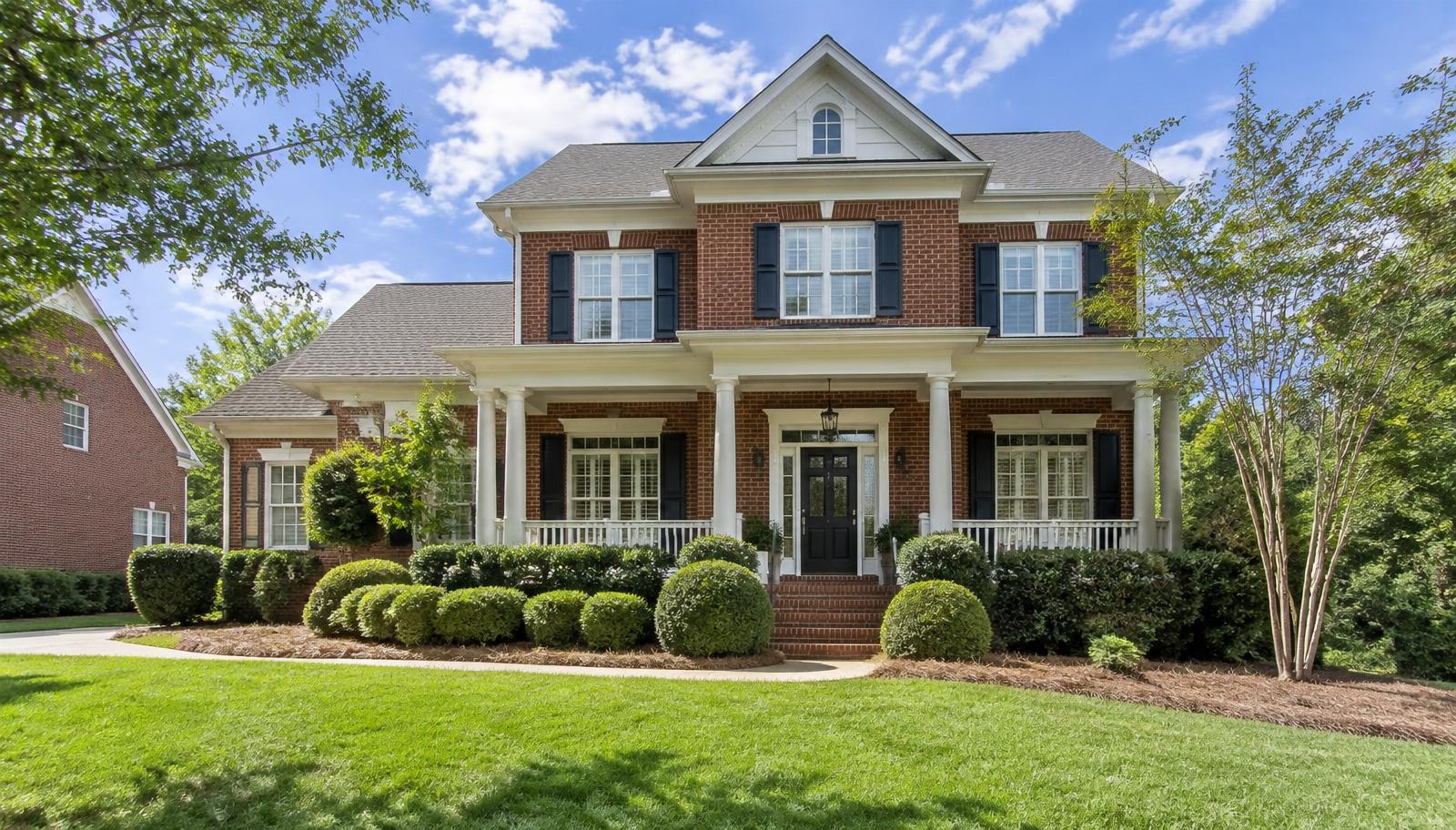
Housing types
- Established homes
- New construction
- Townhomes
- Waterfront
- Lake access
- Custom homes
- Land
Keep these separate
City-limit inventory, the postal market, named communities, current listings, historical examples, proposed construction, and land are different data sets. We never blend them.
Property Records to Review Before Buying a Home in Mount Holly, NC
Start a Mount Holly home search with the parcel record rather than relying solely on a property description. Use Gaston County GIS to locate the parcel and identify the corresponding ownership record, then consult the Gaston County Register of Deeds for recorded instruments. Ask whether the deed description, available survey, and property being marketed describe the same land. Treat map boundaries as research aids, not substitutes for a survey or legal interpretation.
Review recorded easements, restrictions, and access rights before assuming how a property can be used. A driveway, fence, or maintained yard does not by itself establish ownership or a legal right of access. Ask which documents govern shared driveways, utility access, and maintenance responsibilities, and whether later amendments affect them. Verify recorded documents with the Register of Deeds, and seek qualified legal or surveying guidance when their meaning or location is unclear.
Checking Zoning and Renovation Records for Mount Holly Homes
Before choosing a Mount Holly property for an addition, detached structure, or different use, ask City of Mount Holly planning which jurisdiction and zoning rules apply to that parcel. Describe the intended work clearly rather than asking only whether the property is residential. Request guidance on setbacks, applicable overlays, and approval requirements. Confirm which office handles the relevant permits, and verify current requirements directly instead of relying on neighboring properties as evidence of permission.
For a home with apparent alterations, ask the seller for permit records and documentation of completed inspections, then verify those records with the responsible permitting office. Finished rooms, enclosed porches, and converted spaces deserve particular attention because appearance alone cannot establish approval. Ask whether the documented scope matches the work visible at the property. Keep permit review separate from a physical inspection: each addresses different questions, and neither should be treated as a replacement for the other.
Utility Service and Road Access Questions for Mount Holly Real Estate
Utility availability should be checked for the individual parcel, especially when comparing an existing home with vacant land. Ask City of Mount Holly utilities whether the property has an active connection, whether service is available, and what approvals would be required for the intended use. A nearby utility line does not establish a right or ability to connect. If the city is not the provider, ask which authority can verify the property's service arrangements.
Road frontage and an existing driveway warrant separate checks from utility service. Ask NCDOT or the City of Mount Holly, as applicable, who maintains the adjoining road and which authority reviews driveway access. For a private road, consult recorded access agreements and the HOA's recorded documents where applicable. Confirm who is responsible for maintenance and whether access rights serve the parcel being purchased. Do not assume a traveled route establishes legally sufficient access.
Frequently asked questions
How do I check whether a Mount Holly home is in a flood zone?
Ask City of Mount Holly planning which official floodplain maps and parcel-specific records to consult, and confirm the appropriate jurisdiction. Check the location of the structure as well as the parcel. Ask about applicable development restrictions and available elevation documentation. Do not treat a seller's description or an online property map as a flood-risk determination.
How do I find HOA restrictions before buying a home in Mount Holly?
Request the HOA's recorded declaration, amendments, and other governing documents, then verify recorded instruments with the Gaston County Register of Deeds. Ask for current rules addressing your intended use, such as exterior alterations, rentals, or parking. Confirm which documents apply to the parcel rather than assuming every property with a similar community name has identical restrictions.
How can I tell if a Mount Holly property has public sewer?
Ask City of Mount Holly utilities to verify the parcel's service status and identify the provider if another authority serves it. Distinguish an existing connection from a line nearby or potential future service. If the property uses septic, ask which official office holds its permit records and verify the approved system and use with that office.
How do I find easements on a property in Mount Holly, NC?
Search the property's recorded documents through the Gaston County Register of Deeds and review any available survey. Gaston County GIS can help identify the parcel, but it should not be treated as a complete easement record. Ask a qualified professional to clarify ambiguous descriptions, and verify how recorded rights affect access, utilities, or intended improvements.
These answers are general guidance. Confirm specifics with the responsible authority before relying on them.